
Reliability · Jun 10, 2026
Contentful Version Conflicts Should Retry Safely
Editors and automation often touch the same entry. A reliable localization workflow handles Contentful version conflicts without losing either change.
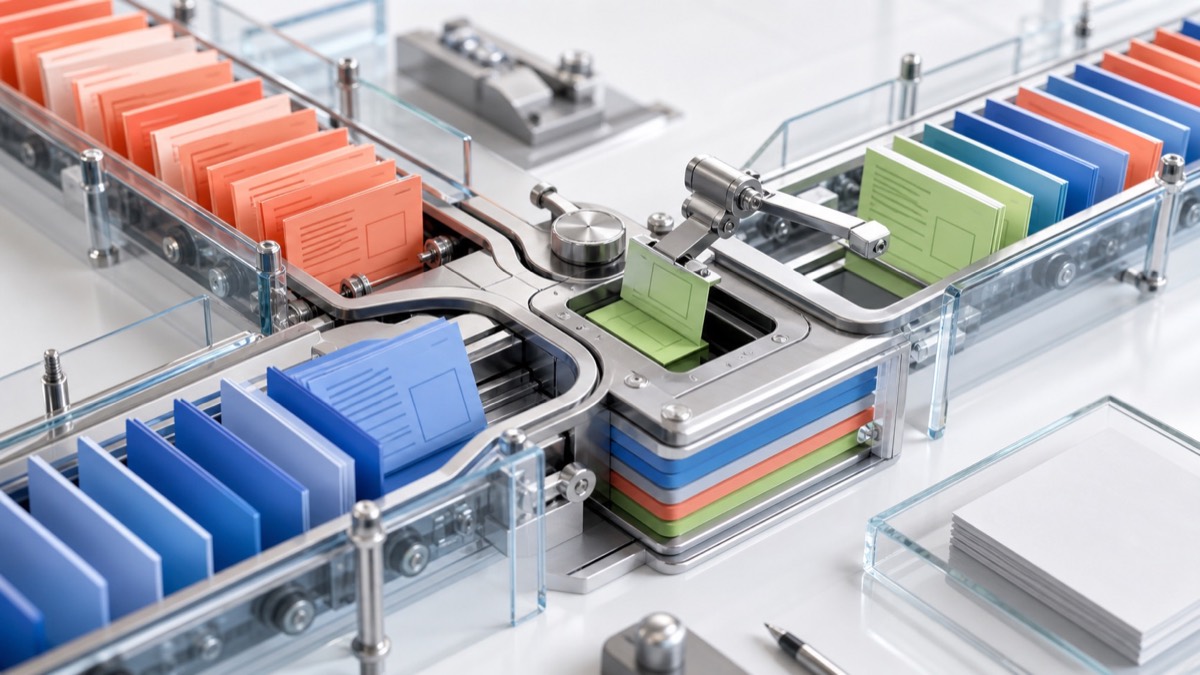
Contentful protects entries with optimistic locking. Every update includes the version the client believes it is editing. If another change lands first, Contentful rejects the stale update instead of letting it overwrite newer work.
That conflict is a safety feature. It should not become a dead end for localization.
Why conflicts happen in healthy teams
A translation request can take time. While it is being generated or reviewed, an editor may correct the source entry, another locale may be updated, or an automation may change metadata.
By the time the localized value is ready to push, the entry version captured earlier is stale.
This does not mean someone made a mistake. It means multiple parts of the publishing system are working at the same time.
Never retry the same stale payload blindly
The simplest retry repeats the rejected request. That cannot succeed because it carries the same outdated version.
The dangerous alternative fetches the latest version number and resends the entire old entry payload. That may pass the version check while overwriting fields changed since the translation started.
A safe retry needs fresh state and a narrow patch.
Re-read, merge, and update
When Contentful reports a version conflict, the workflow should:
- fetch the current entry from the same space and environment
- inspect the latest fields and version
- merge only the approved target-locale values from the translation request
- preserve unrelated fields and locale values
- submit the update with the fresh version
This keeps the retry aligned with the user's actual intent. The translation request wanted to change specific localized fields, not restore an old snapshot of the whole entry.
Decide when not to retry
Automatic conflict recovery needs limits.
If the exact target-locale field changed after review began, the system has found a real editorial collision. Retrying automatically could replace newer human work. That case should stop and ask for review.
Likewise, repeated conflicts may indicate a busy automation loop or an integration writing the entry continuously. A bounded retry count prevents localization from joining that loop indefinitely.
The error should remain actionable: identify the entry, affected locale and fields, and the stage at which the collision occurred.
Keep source and target ownership clear
Conflict handling is easier when the workflow has a strict write boundary. Translation pushes should change only approved target locales. They should not write source fields, content type metadata, tags, or unrelated locale values.
That boundary reduces merge complexity and makes audit logs meaningful. When a retry succeeds, the team can see exactly which localized fields changed and why.
The takeaway
Version conflicts are normal in a collaborative CMS. Treating every conflict as a failed translation makes the workflow feel fragile; ignoring the conflict makes it unsafe.
Fetch the newest entry, merge the smallest approved change, and retry within clear limits. When the same field changed on both sides, stop for human review. Reliability comes from respecting concurrent work, not pretending it does not happen.