

OperationsSep 2, 2026
Measure Localization Lead Time, Not Just Word Count
Word count explains translation volume, but lead time reveals whether the workflow can keep up with the pace of content releases.
Blog
Practical writing on localization workflows for fast-moving teams.
Word count explains translation volume, but lead time reveals whether the workflow can keep up with the pace of content releases.

Translation, CMS updates, and publication are different powers. Keeping them separate makes multilingual releases safer and easier to operate.

Fluent output is not enough when a changed token can break the page. Translation workflows must protect functional content before generation begins.

A useful glossary records how product language should travel across markets, including context, exceptions, and terms that must never be translated.

Fallback content keeps pages complete, but it can also make missing translations invisible. Teams need to distinguish available content from localized content.

A translation approved against yesterday's source is not ready to publish today. Review workflows need a clear way to detect and resolve source changes.

Reliable localization comes from a series of narrow safeguards across generation, review, push, publish, and recovery.

Locale, search, filters, and pagination are working context. Persisting them in the URL makes translation review faster and recoverable.

Good status design tells editors what finished, what is blocked, and which action is available without exposing the worker implementation.

Live status is valuable, but translation operations should remain correct when realtime infrastructure is unavailable or intentionally disabled.
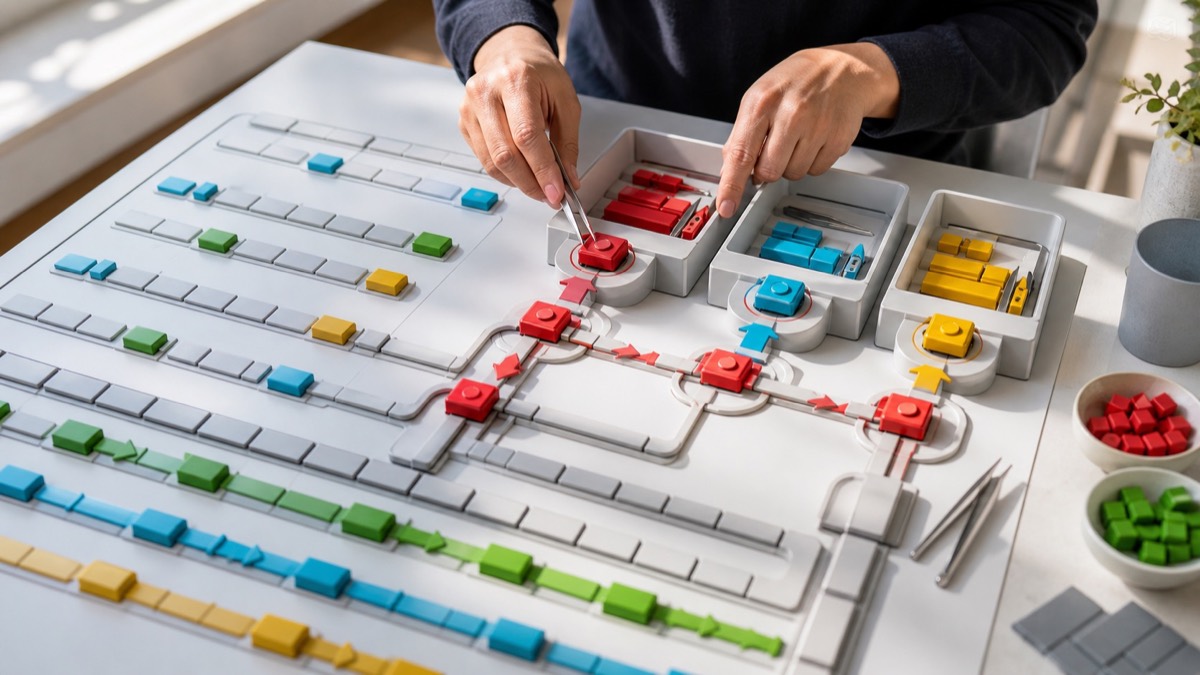
A useful failure queue separates translation, push, and publish problems so teams can recover the right work quickly.

Localization tools do not need to hydrate an entire Contentful graph for every screen. Smaller snapshots keep browsing and review responsive.
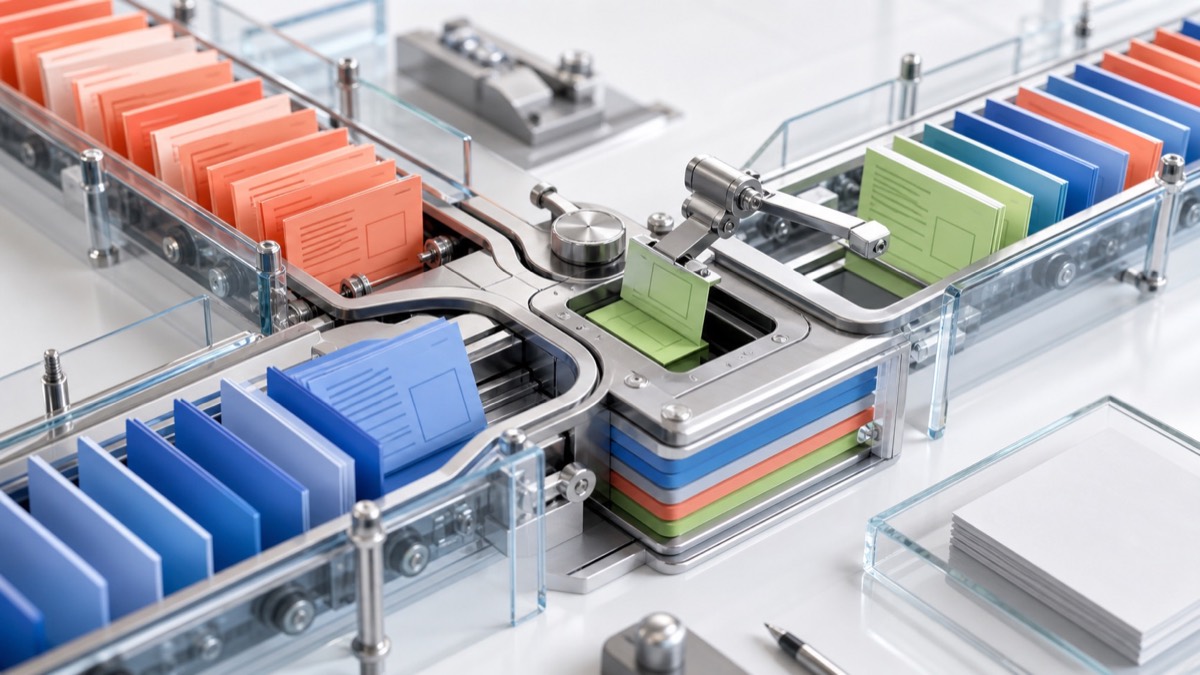
Editors and automation often touch the same entry. A reliable localization workflow handles Contentful version conflicts without losing either change.

Empty fields can mean missing work, intentional omission, or an invitation to create localized copy. The workflow should make that choice explicit.

Translation queues are easier to trust when entries use the same human-readable names editors already recognize in Contentful.

Small copy changes should stay small. Field-level translation gives editors a direct path from one source change to one reviewed localized value.

Plain text is easy. A localization workflow proves itself when it can preserve links, lists, embeds, and structure inside Contentful rich text.

The best AI model for translation is not just the newest model. It is the model your team can use predictably inside a controlled workflow.

Batch translation should never block urgent single-entry work. A healthy queue makes release-critical requests move first.

Batch translation is useful, but sometimes the fastest path is translating one important Contentful entry into every target locale at once.

Teams ship more consistently when translation moves in narrow, repeatable batches instead of giant backlog pushes.
QA gets faster when teams verify translated content in the CMS before publish, not after the page is live.

Most multilingual releases are edits, not net-new pages. Here is how to keep updates small, safe, and fast.

A practical weekly cadence for Contentful teams that want translation, review, and publishing to move together.

A lightweight operating model for multilingual launches when the same few people are managing content, review, and release pressure.
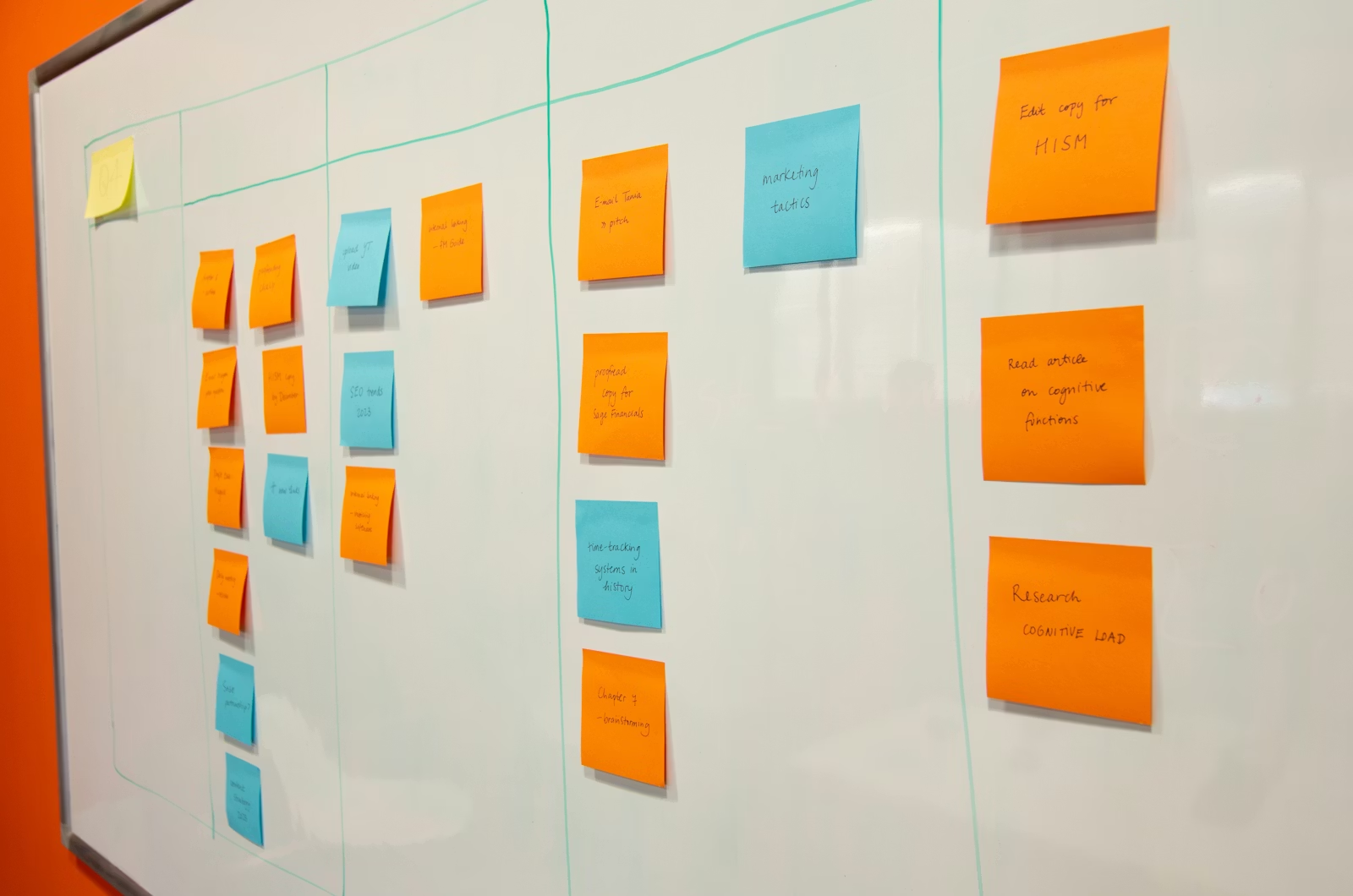
A practical rollout plan for teams translating their first serious batch of product and marketing content in Contentful.

A practical way for Contentful teams to raise translation quality without stretching every launch into a review marathon.

A practical review-first model for Contentful teams that want faster multilingual releases with fewer rewrites.

From Spreadsheet Chaos to Clean Workflow - practical guidance for localization teams shipping faster with less workflow friction.
Fewer Handoffs, More Shipping: The New Localization Loop - practical guidance for localization teams shipping faster with less workflow friction.

Prompts That Respect Your Brand Voice - practical guidance for localization teams shipping faster with less workflow friction.

Great teams switch between bulk and page-level translation depending on the moment. Here is how they balance both.

A modern workflow keeps translation inside Contentful, with context intact and reviews that do not drag.

Translation should feel like publishing, not a side project. Here is the workflow shift that gets teams there.

AI translation has improved fast. The real unlock is using it inside Contentful, where context stays intact.

Global demand is real. The missing piece is a translation workflow that keeps up with Contentful teams.

Contentful teams write great content. The translation workflow is what holds it back.

Elegant localization is not a luxury. It is what lets small Contentful teams ship confidently across markets.

When translation is fast and dependable, your roadmap changes. Here is the shift we see in Contentful teams.

Manual translation workflows add invisible drag to Contentful teams. Here is where the time goes and how to get it back.

Why translation workflows still slow down Contentful teams and what a simpler path can look like.